World behind Europe’s largest greenhouse complex
Aug. 31, 2026
In the vicinity of the southern Spanish tourist resorts along the Almería coastline, around 3.5 billion kilos of vegetables and fruit are grown each year. What does the world behind this largest greenhouse complex in Europe look like? This autumn at Kunsthal Rotterdam, the photographer Rob Hornstra and the author Arnold van Bruggen will show the lives of countless migrants. Without a legal residency status, they have to work under abominable circumstances to produce food for European markets. Their photographs and stories are part of the large-scale project The Europeans, in which Hornstra and Van Bruggen set out to capture contemporary Europe.
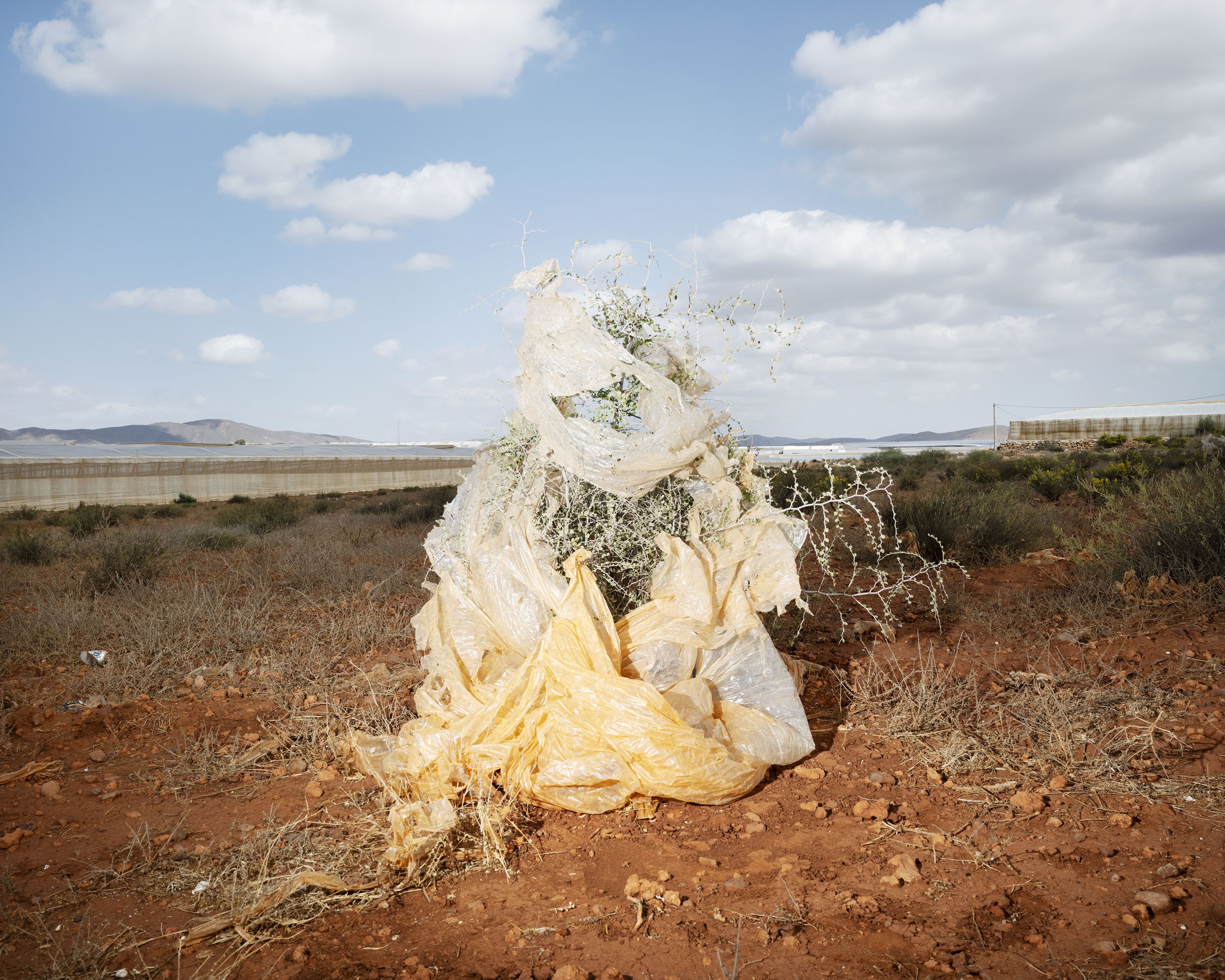
Both the exhibition Plastic Sea, Perfect Storm and the publication of the same name reveal how around 150 thousand people have to work six day working weeks under miserable conditions. As temperatures regularly rise above fifty degrees Celsius during the day, these migrants are often forced to work at night. The vegetables and fruit they grow are available in supermarkets across Europe, including those in the Netherlands. The byproduct of this industry, around 6 billion kilos of plastic waste a year, finds its way to illegal dumping grounds, 400 of which are spread across southern Spain alone.
Vulnerable migrants
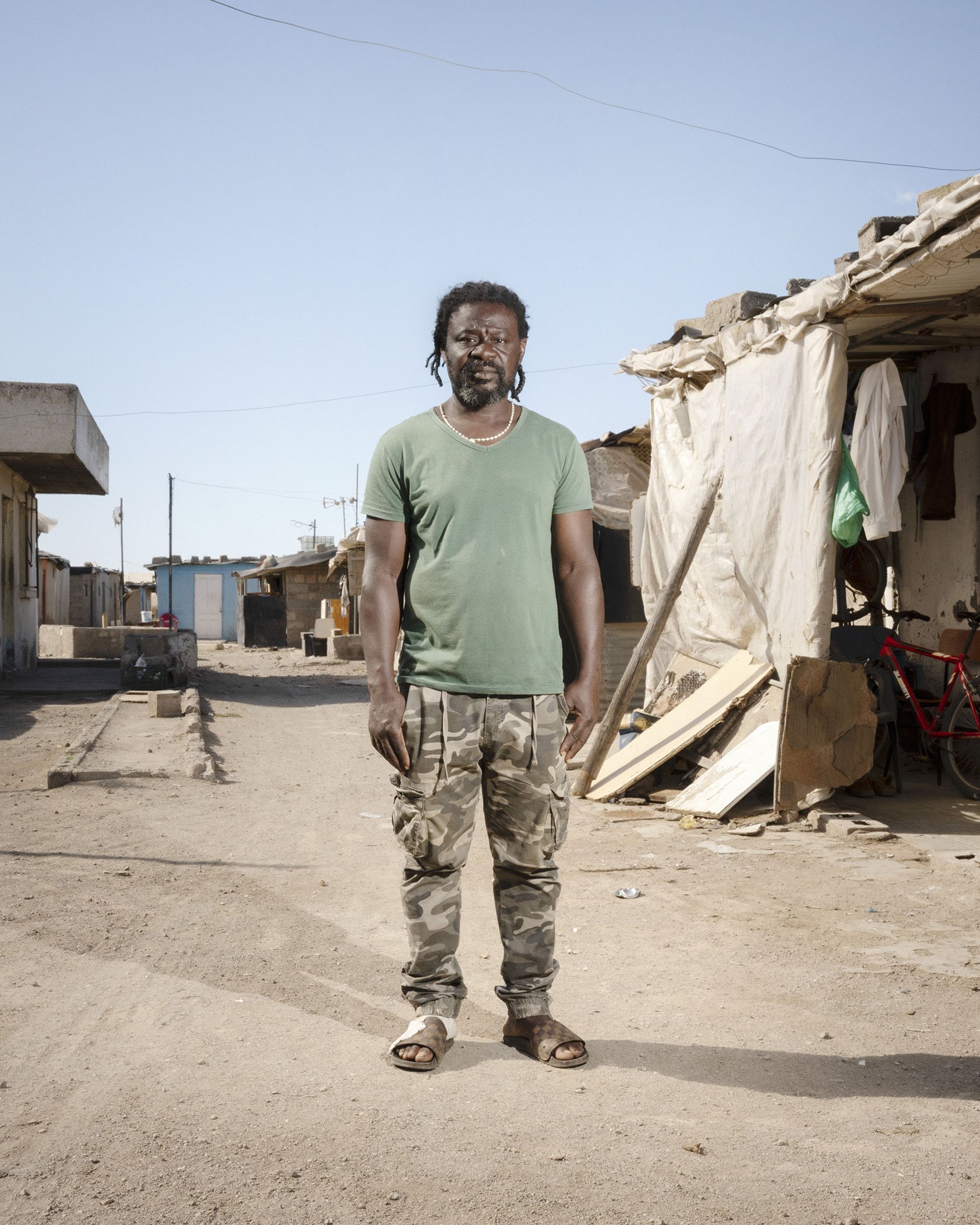
The photographs show tomato pickers, strawberry farmers, and other migrants whose work often takes a visible physical toll. Many of the workers in the greenhouses are people with African migration backgrounds. To many African countries, the money these people are sending home has become a vital source of income. Without legal residency documents, these people have no legal safety net to fall back on, but they are also unable to return to their countries of origin. The local government shows hardly any concern for the fate of these labour migrants, even though these people are vital to economy of this area – and to the rest of Europe.
Surrounded by plastic
Hornstra and Van Bruggen have portrayed these migrants while living their lives in a world dominated by plastic. Under miserable conditions they live among the plastic greenhouses, in self-built shacks made from discarded pallets. Waste materials drift freely across the vast plains and become part of the landscape. Together, the photographs and stories paint an impressive picture of lives that usually remain hidden from the eyes of the world.
Searching for contemporary Europe
Plastic Sea, Perfect Storm is part of Hornstra and Van Bruggen’s project The Europeans, a ten-year exploration of the psyche of contemporary Europeans at a time when the continent is facing difficulties. Authoritarian regimes are on the rise, wars have returned, and the political dream of a united and peaceful Europe seems more unattainable than ever before. Together these circumstances have created a ‘perfect storm’: a situation in which various events have all come together at the exact same time. In order to capture this moment, author Van Bruggen and photographer Hornstra are travelling to various European regions. Each period is concluded with an exhibition and the launch of a publication that bears the same name. The duo found inspiration in the work of the famous photographer Henri Cartier-Bresson, who explored what it means to be European for his 1955 publication Les Européens.
Plastic Sea, Perfect Storm
Oct. 3, 2026 - March 7, 2027
More info